Combining practical waste infrastructure with Lancaster’s historic character
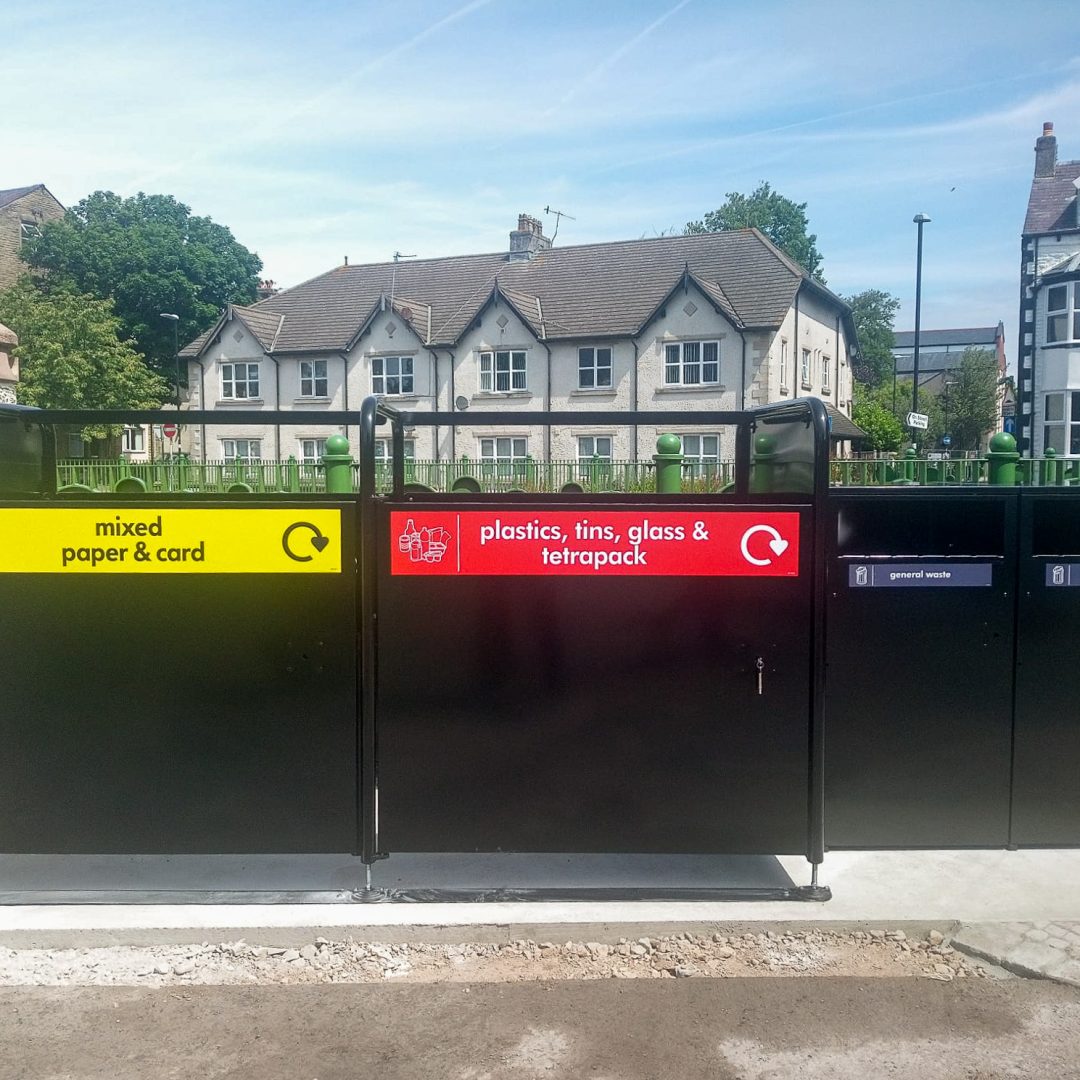
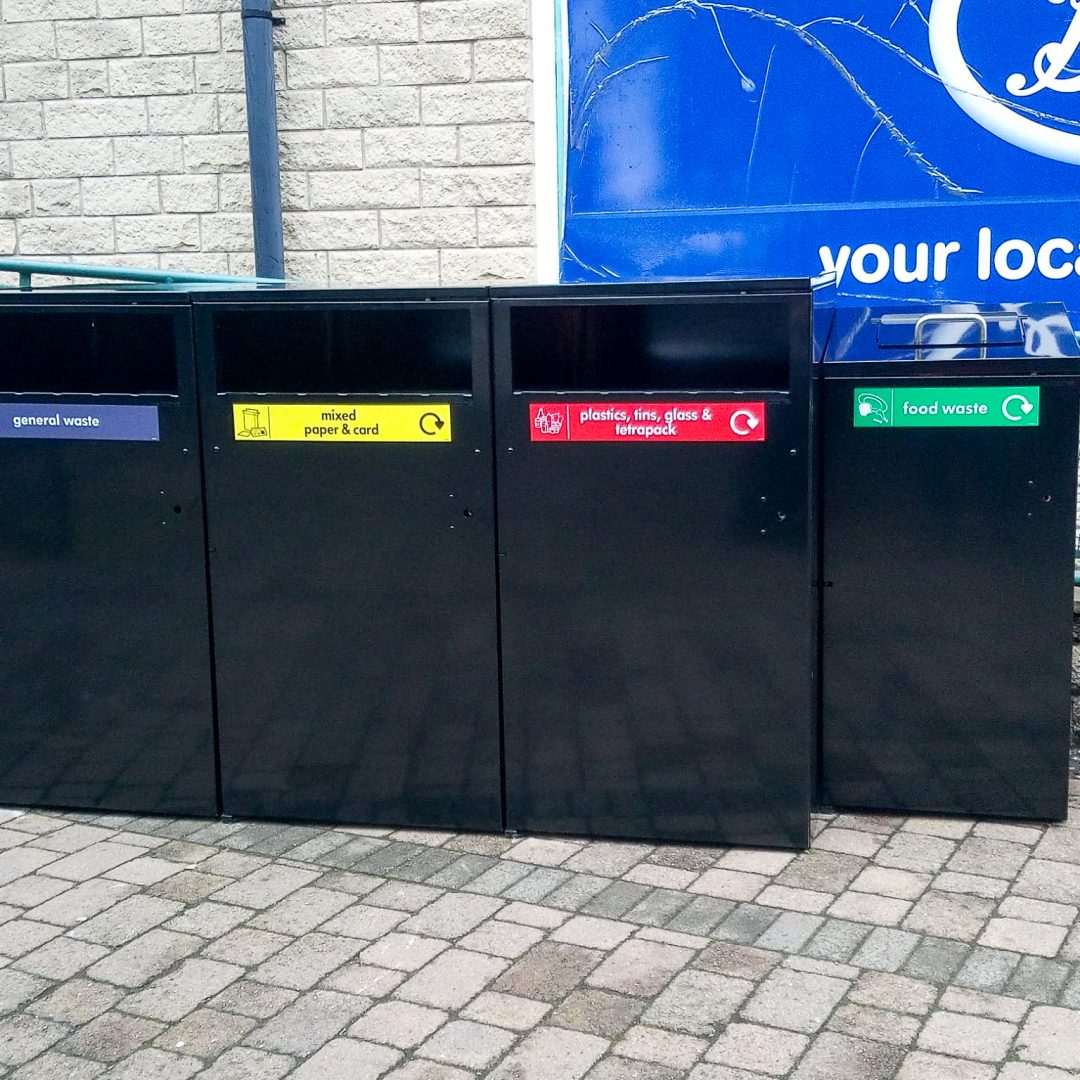
Wybone has worked with Lancaster City Council to manufacture a series of bespoke communal bin hubs, providing designated collection points for waste and recycling while helping create cleaner, more organised communal bin areas.
Following the development of the project, eight bin hubs have now been manufactured for Lancaster City Council, demonstrating how the modular system can be adapted to suit different locations, capacities and waste collection requirements.
The Challenge
Communal waste collection presents a different set of challenges to traditional on-street litter management. Large wheeled bins need to remain easily accessible to residents and collection crews, while the surrounding area needs to be practical, clearly organised and suitable for its setting.
For Lancaster City Council, the solution needed to bring multiple waste containers together within purpose-built collection points while providing clear information to residents and allowing the council to manage the sites effectively.
After Lancaster City Council’s Chief Officer, saw communal bin hubs previously manufactured by Wybone for Glasgow, the council approached Wybone to explore how a similar concept could be developed for Lancaster.
The Solution
Wybone worked closely with Lancaster City Council throughout the project, from initial discussions and site surveys through to planning, design, manufacture and installation.
Each location was considered individually, taking into account capacity, access, layout and aesthetics to create a solution suited to the site.
This approach has resulted in eight bin hubs being manufactured for the council, helping Lancaster centralise communal waste provision and introduce additional capacity where required.
"The hubs have definitely helped in areas where we have tried to centralise provision, and in providing a much needed new or greater capacity provision in some areas, particularly when we have resident-specific hubs which cover a number of streets and roads."
What is a Communal Bin Hub?
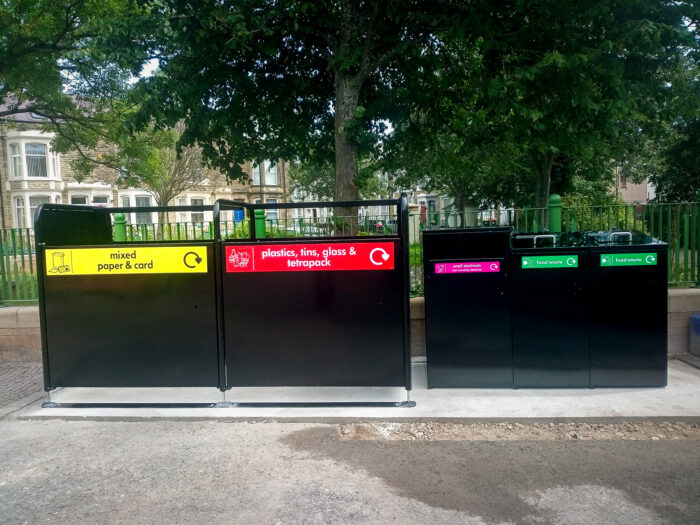
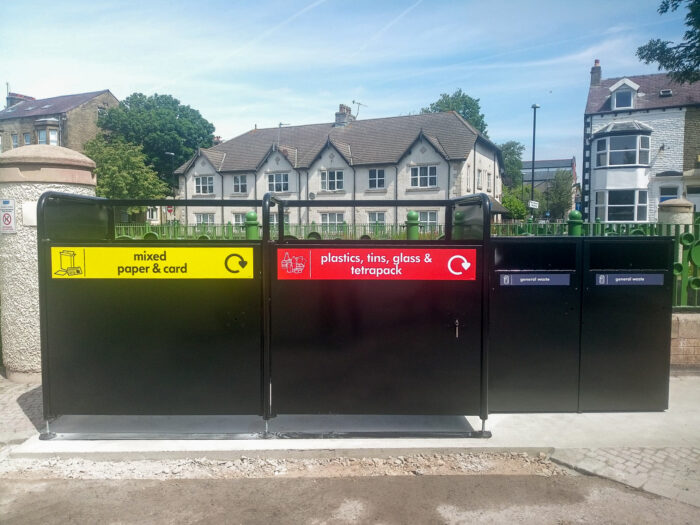
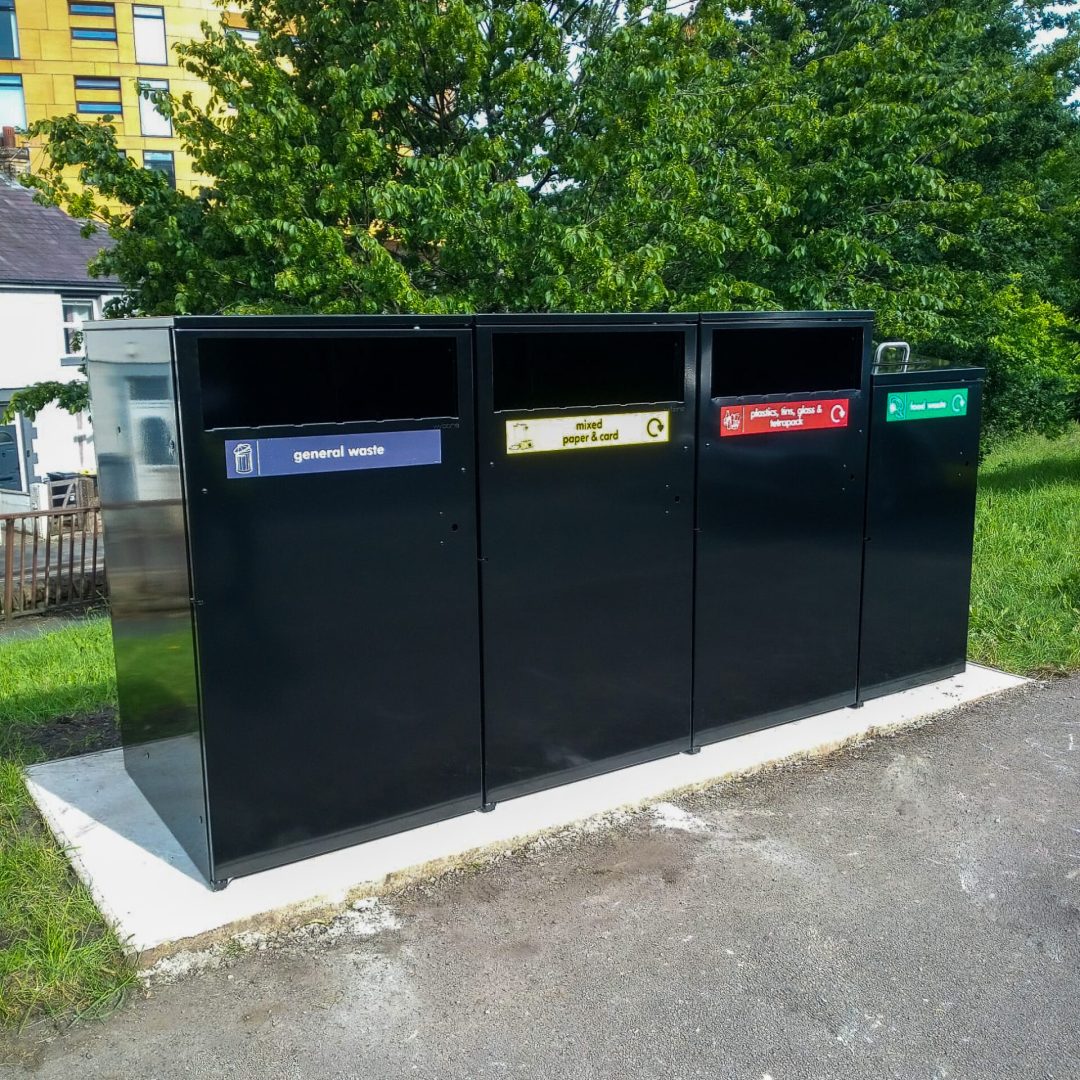
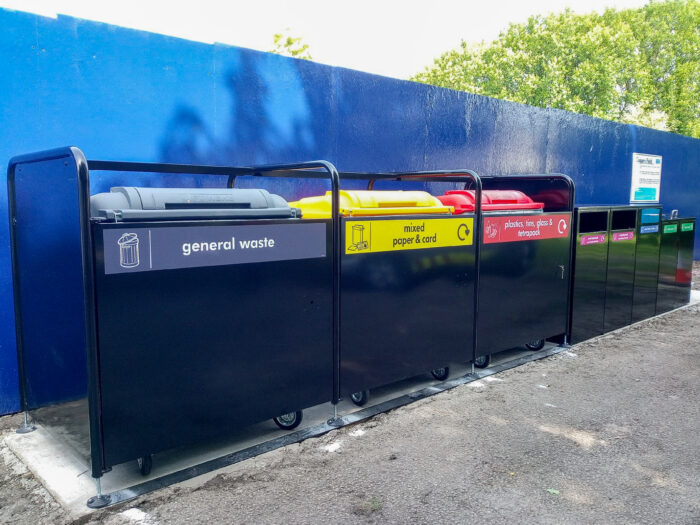
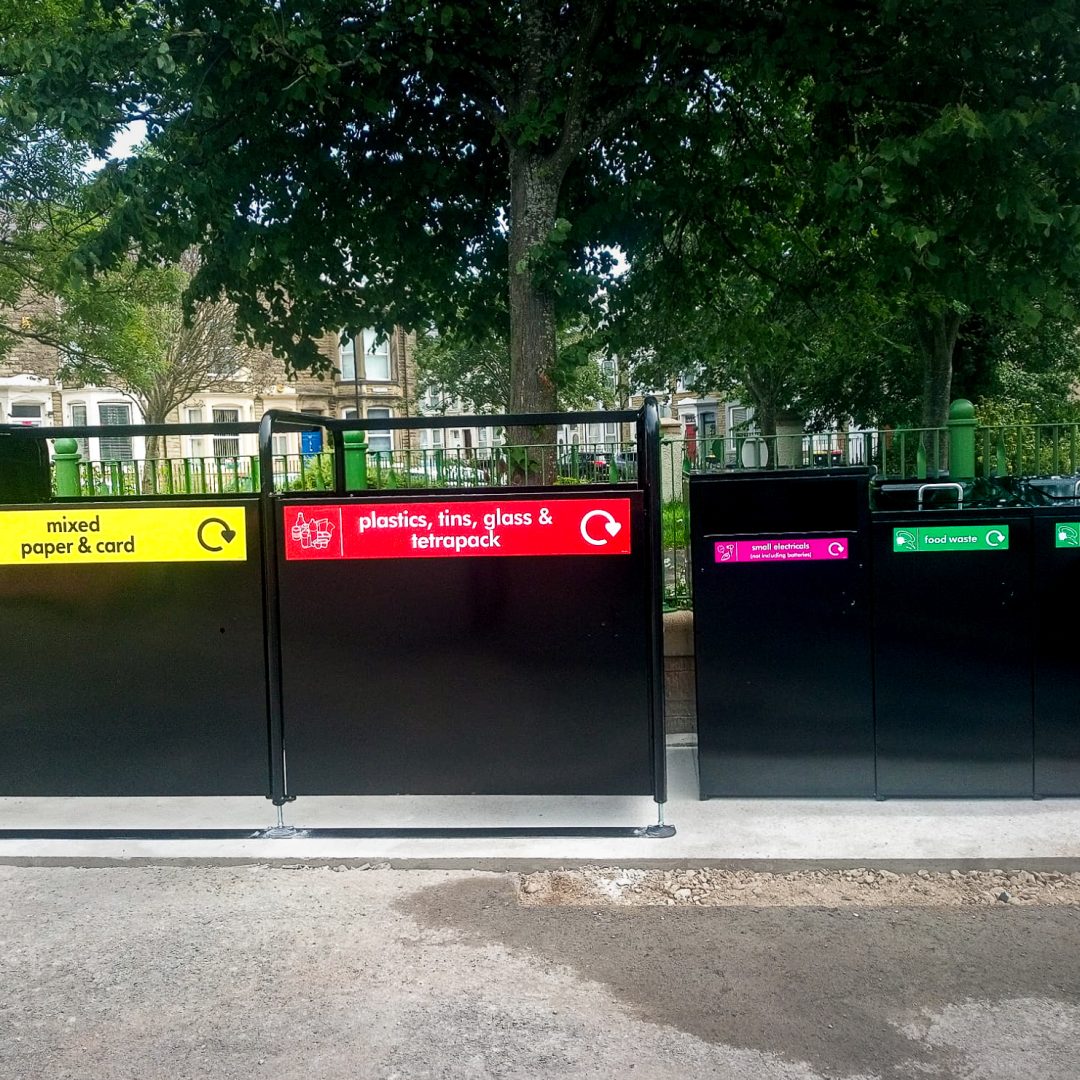
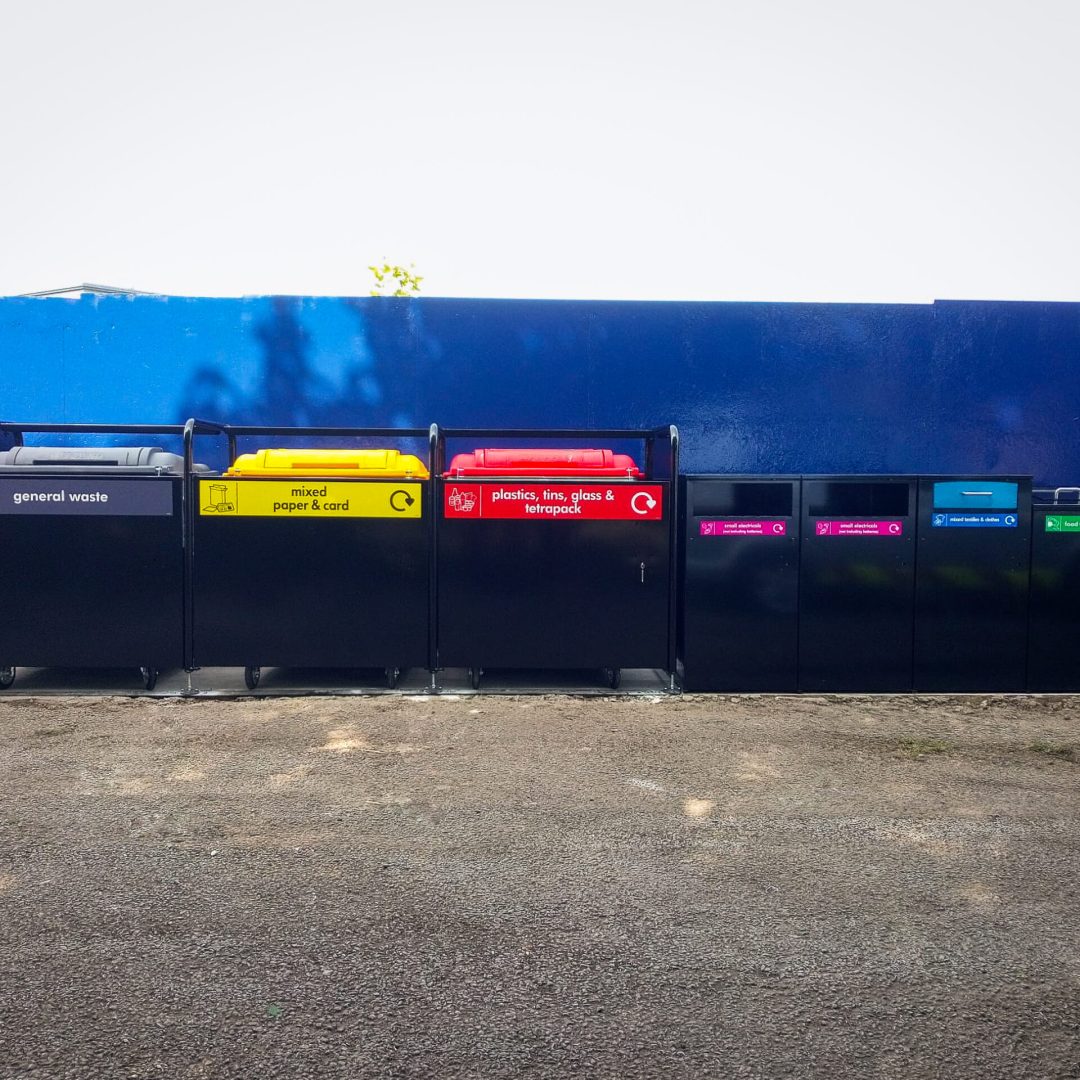
Wybone’s communal bin hubs are modular housing systems designed to create organised collection points for large wheeled waste and recycling containers.
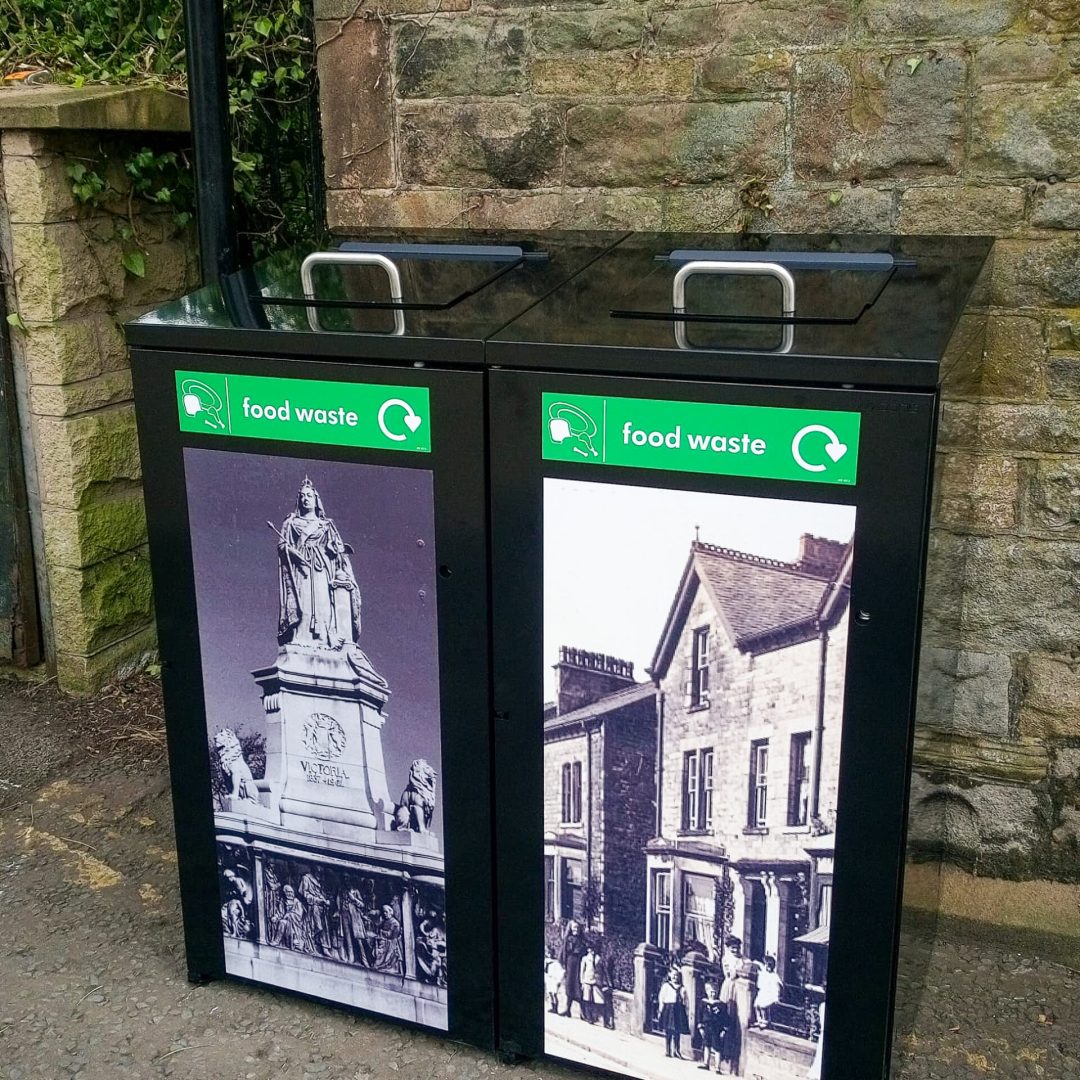
Manufactured in-house from galvanised steel, the hubs can accommodate 1280-litre wheelie bins and food waste units, with configurations tailored to different waste streams, capacities and locations.
Modular, Secure & Repairable
The modular design allows sections to be configured to suit each site and expanded as requirements change, while adjustable feet help accommodate uneven ground.
Secure doors or locking bars keep containers safely housed while allowing easy access for servicing. The hubs are also fully repairable, with individual components replaceable if damaged.
For Lancaster, Wybone supported the project from initial site visits and surveying through to planning, design and installation.
"Each stage has been well-planned, and the team have responded to some of the challenges we have experienced very well, and also been very responsive."
Bringing Lancaster’s Heritage into the Design
Functionality was only part of the brief.
Lancaster is a historic city with numerous conservation areas, so the council wanted its new waste infrastructure to complement its surroundings rather than simply introducing a purely functional structure.
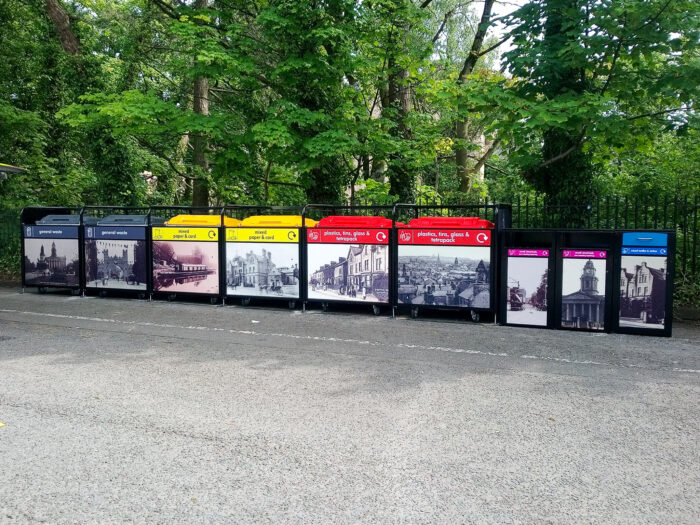
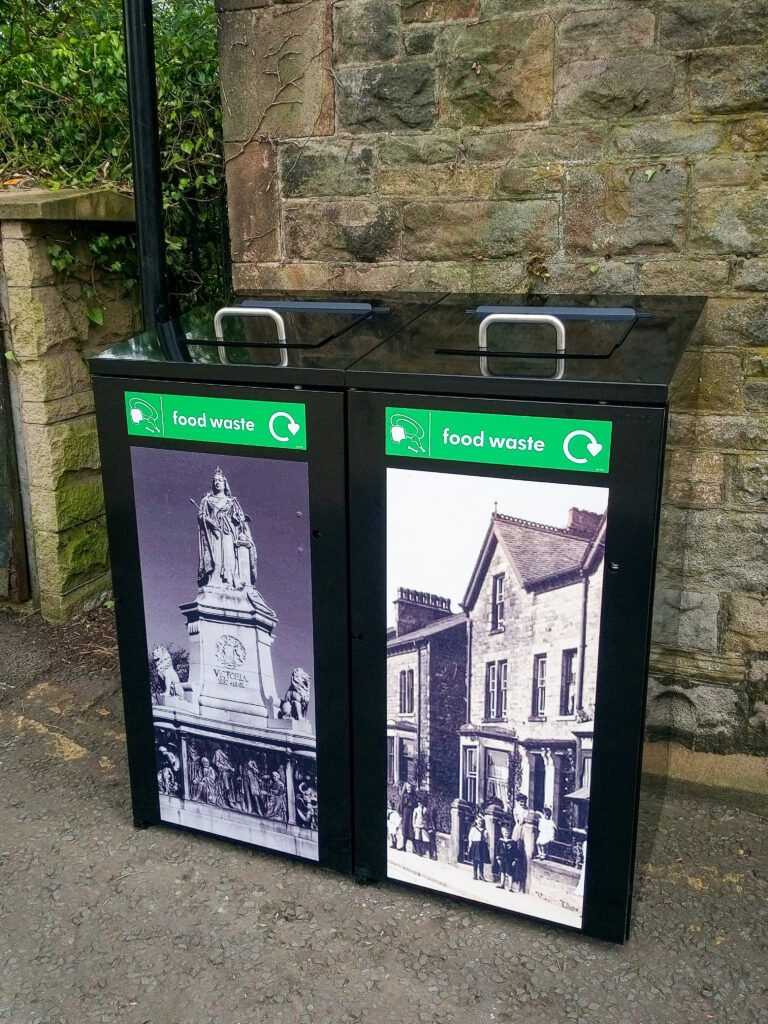
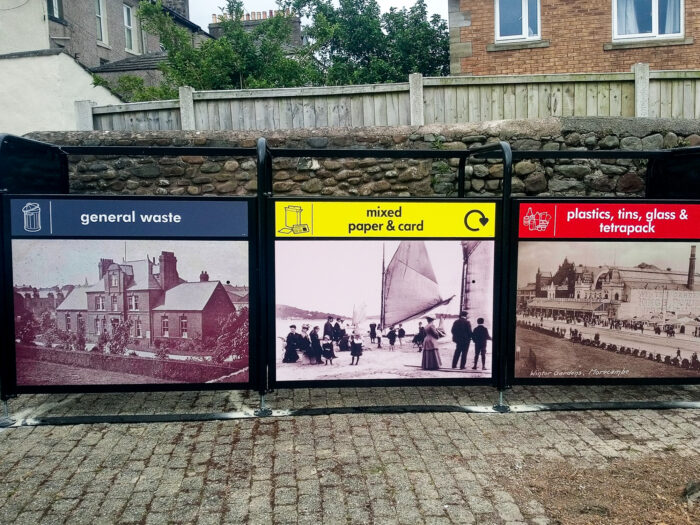
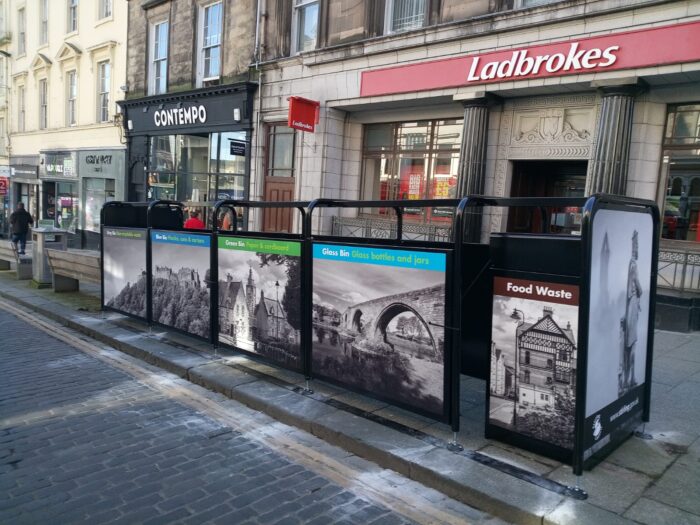
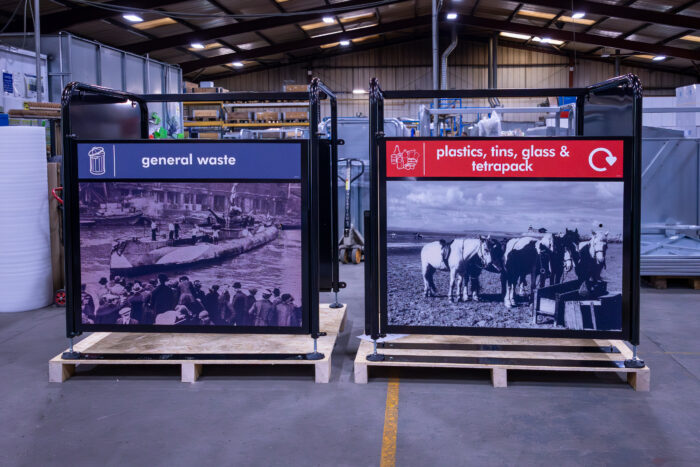
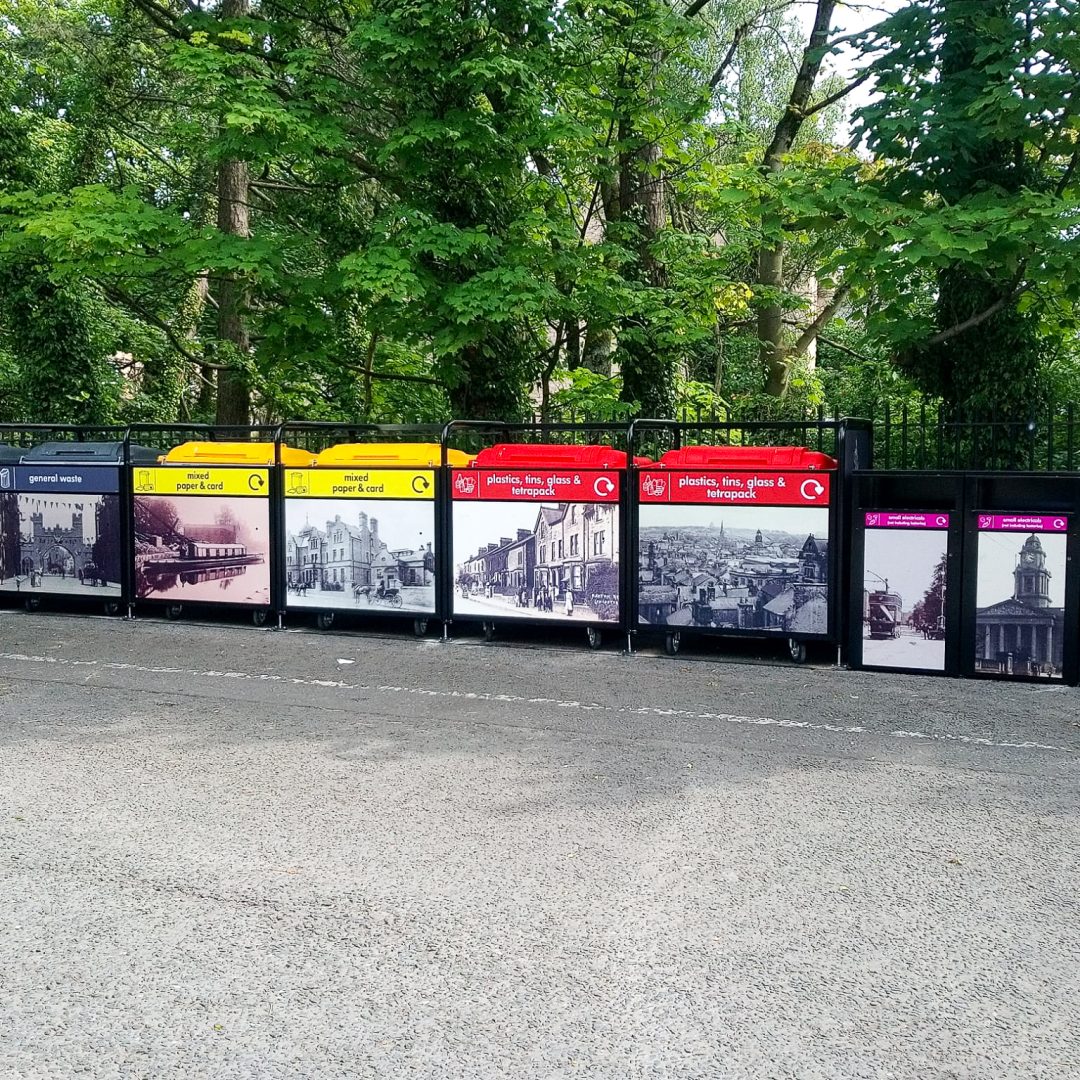
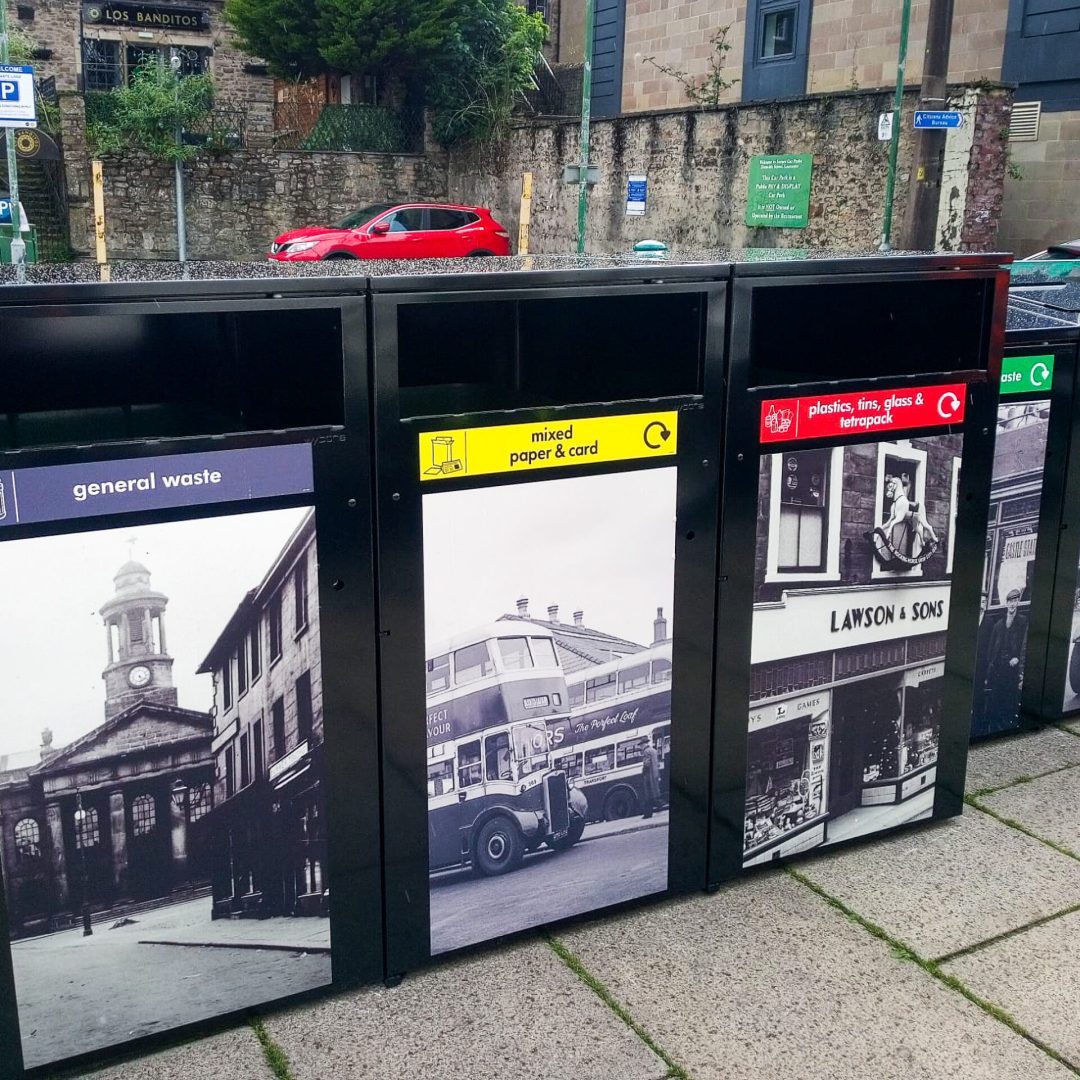
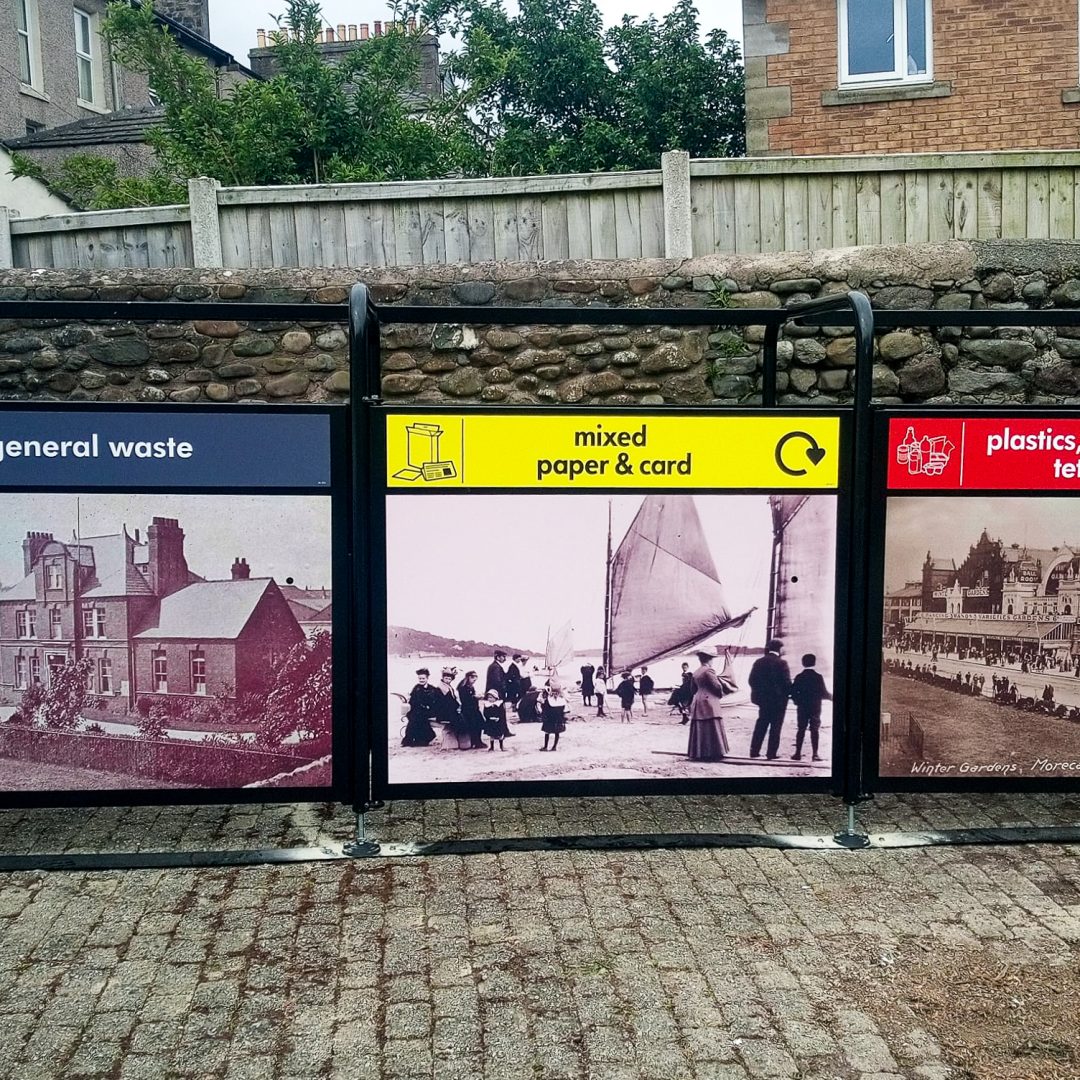
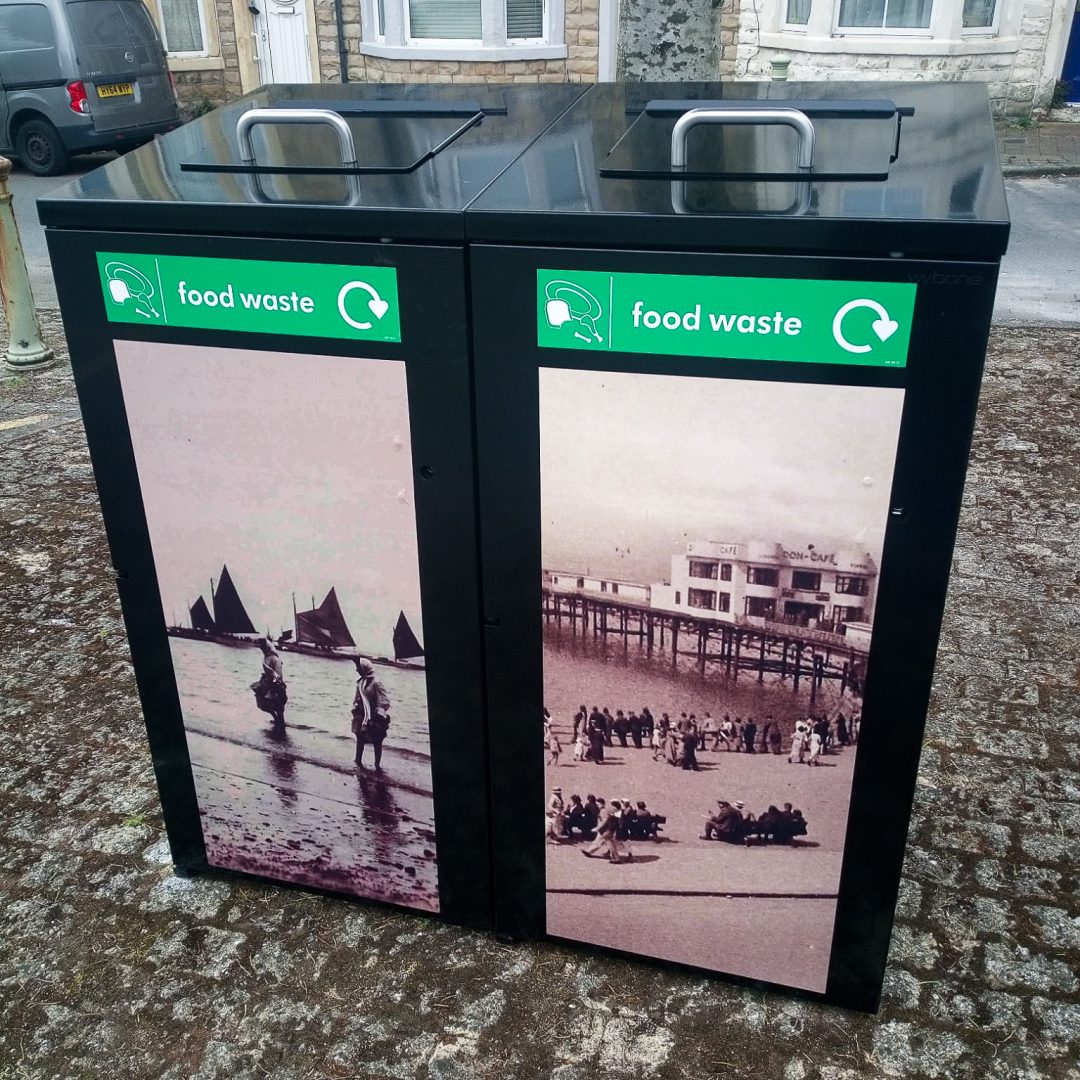
The large panels incorporated into the bin hub design provide space for segregation signage, recycling information and bespoke vinyl artwork.
Lancaster City Council used this opportunity to introduce heritage-themed wraps featuring historic photographs held within the City Museum’s archives, connecting essential waste infrastructure with the identity of the surrounding area.
"The structure and aesthetic has also lent itself to praise from residents who have seen the hubs as a significant improvement on previous facilities we have had in the district."
Carly also highlighted the positive reaction to the heritage designs, with the hubs receiving positive feedback from residents following installation.
The approach reflects the council’s aim to balance the practical requirements of statutory waste collection with the character of the district, while encouraging residents to engage with the new facilities and dispose of waste correctly.
Supporting Better Waste & Recycling Habits
The hubs are already being well used, with Lancaster City Council receiving positive feedback following their introduction.
Beyond improving the appearance and organisation of communal collection points, the council hopes the hubs will help residents engage more effectively with waste and recycling services and ultimately increase the amount of material that can be captured and reprocessed rather than sent to landfill.
"We wanted residents to engage with utilising the hubs and ultimately, increase and improve the waste we are able to capture and re-process so as to avoid landfill. Anything that assists the council with the opportunity to improve waste disposal and hopefully influence behaviours relating to this can only be a bonus."
Project Delivery
Wybone worked closely with Lancaster City Council throughout the project, providing support from initial site visits and surveys through to planning, design, manufacture and installation.
Each location was considered individually to ensure the hubs met the needs of residents while also taking into account access, servicing requirements, capacity and the surrounding environment.
“The level of detail, from site visits, surveying, planning, designing and installation has been comprehensive and the team have been incredibly pleased.”
A Collaborative Approach from Survey to Installation
For communal bin hub projects, Wybone can provide support throughout the process, including pre-installation site surveys, project management, manufacture, installation and installation training.
This end-to-end approach was particularly important in Lancaster, where the requirements of individual sites, residents and operational teams all needed to be considered.
"Not only are the team extremely knowledgeable, but they also gathered a great deal of knowledge about some of the intricacies in delivering a project such as this, whilst listening, supporting and understanding the brief. Attention to detail and the standard of workmanship has been fantastic all the way through the process."
Would Lancaster City Council recommend Wybone?
The council’s answer is clear.
“We absolutely would recommend Wybone to other local authorities and organisations.”
From initial site visits and surveying to planning, design, installation and aftercare, the project demonstrates what can be achieved when waste infrastructure is designed around the needs of the community, the people responsible for servicing it and the character of the place it serves.
Considering Communal Bin Hubs for Your Area?
From increasing communal waste capacity and addressing limited wheelie bin storage to creating more attractive, clearly defined collection points, every bin hub project presents different requirements.
Wybone can work with local authorities and organisations to develop a solution around capacity, waste streams, access, servicing requirements, ground conditions, signage and appearance, with a modular system that can evolve alongside future requirements.
Planning a communal waste project? Speak to the Wybone team about developing a bin hub solution tailored to your locations.
The Wybone Bin Hub is a robust, modular housing system designed to provide a secure and visually considered solution for communal wheeled-bin storage and waste collection.
Designed around the requirements of each site, the Bin Hubs can accommodate large wheeled bins and food waste units while helping local authorities centralise waste and recycling provision. Their modular construction allows different configurations to be created according to capacity, access and available space, with further units able to be added as requirements change.
Key Features
Modular design – allows Bin Hubs to be configured around individual site requirements and expanded as future needs change.
Robust galvanised construction – manufactured using galvanised steel panels and a galvanised steel tube frame for long-term external use.
Secure wheelie bin housing – front and rear opening configurations are available with anti-tamper locking systems to secure wheeled units.
Custom vinyl artwork – artwork can be applied to the panels, allowing signage, recycling information or location-specific graphics to be incorporated into the design.
Adjustable installation – adjustable legs and ground-fixing feet help accommodate uneven surfaces and provide appropriate positioning on site.
Multiple waste streams – designed to house large wheeled bins and food waste units, supporting centralised general waste and recycling provision.
Fully repairable construction – individual components can be replaced when required, helping extend the service life of the Bin Hub.
Flexible access options – different front and rear opening arrangements are available to suit operational and servicing requirements.
Ideal Applications
Wybone Bin Hubs are designed for locations where secure, centralised wheeled-bin storage is required, including:
Residential streets and communal collection points
Local authority waste and recycling schemes
Town and city centres
Conservation and heritage areas
High-density residential areas
Locations with limited individual wheelie-bin storage
Communal recycling and food waste collection points
You can consent to receiving Wybone news, product information and updates, newsletters and offers, via opting in. If you request to receive this information, we may collect and process the following personal data about you: name, address, and email address. We process such personal data for purposes of providing information, marketing materials and analysing your interests for marketing purposes, to the extent permitted by applicable law and where you have provided us consent to do so.